The Japanese Bridge – A Priceless Symbol Of Hoi An Ancient Town
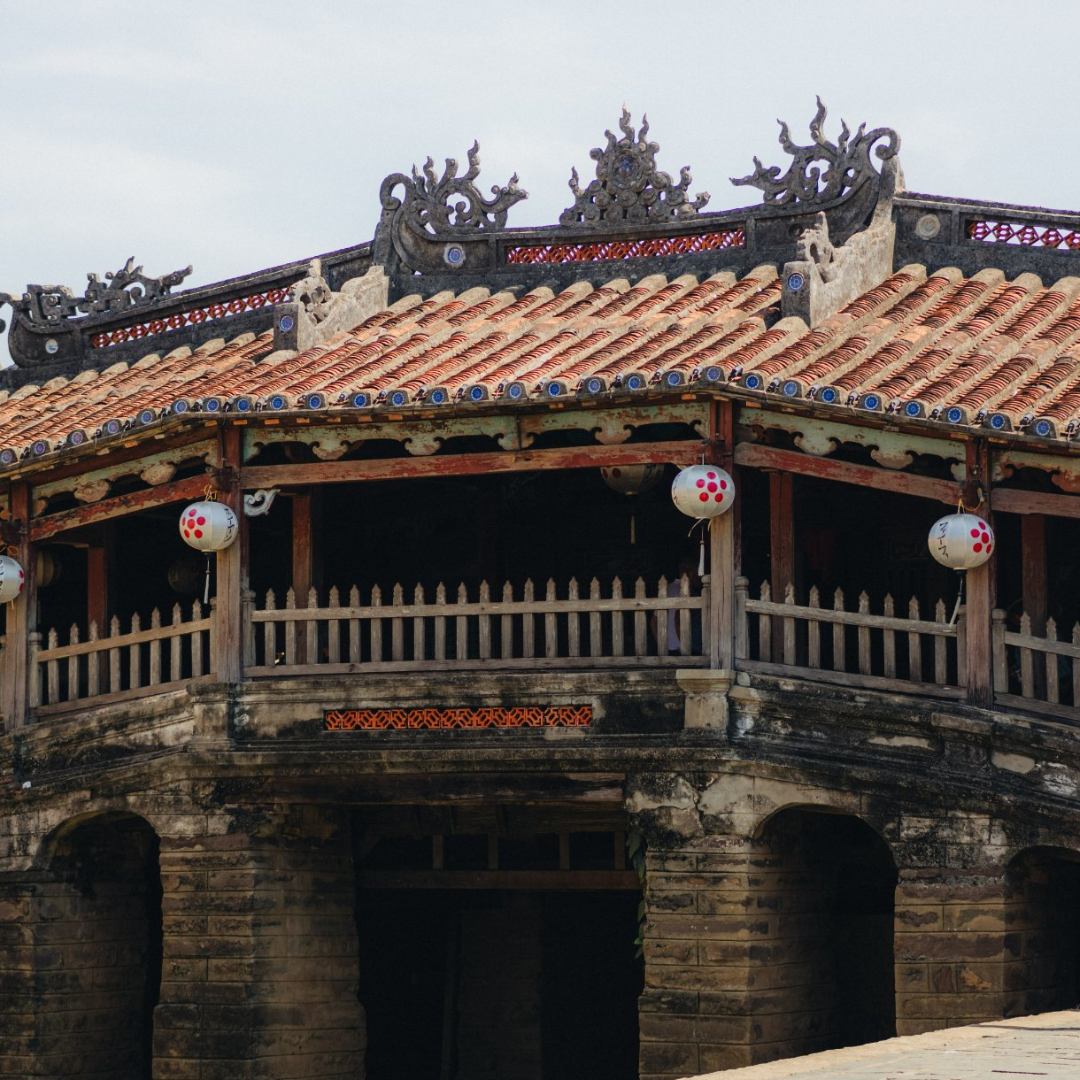
Step into the heart of Hoi An, and you will find The Japanese Bridge – a priceless symbol of Hoi An Ancient Town. The Japanese Bridge is a living testament to the profound influence of Japanese culture in this enchanting town. It was born more than 400 years ago on the initiative of the Japanese community in Hoi An. If you wonder why the Japanese Bridge is a symbol of Hoi An, let’s find out through this article!
When was the Japanese Bridge built?
In the 16th century, Japanese traders left an indelible mark on Hoi An. But the bridge was built by Japanese traders in the early 17th century. Their connection with the city ran so deep that a Japanese community blossomed here. The lord of the land even married a Vietnamese princess to a Japanese trader, strengthening the ties. As a sign of their bustling trade, about 71 Red Seal Ships set sail from Japan to Hoi An during this era.
The other name of the Japanese Bridge
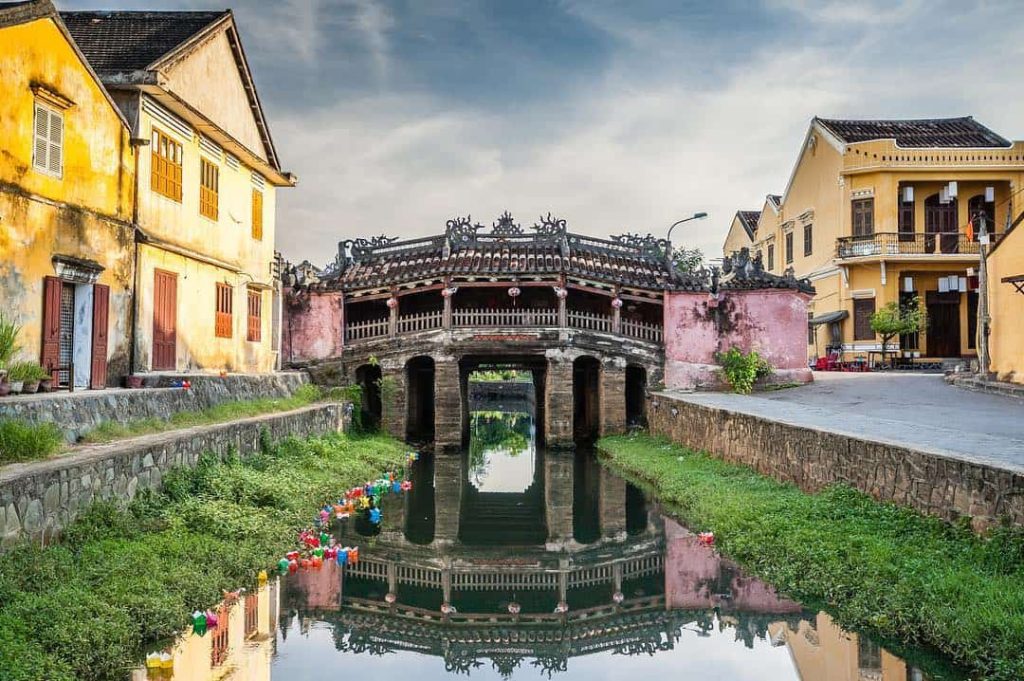
Besides the name “The Japanese Bridge” (Cau Nhat Ban), it is also called “Chua Cau”, which literally means Pagoda and Bridge. When you visit there, you will easily notice that the Japanese Bridge has 2 parts: The “bridge” part and the other “pagoda” part.
The reasons why the Japanese Bridge was built
In the 16th century, Vietnam was divided into 2 states: the Trinh family ruled the North, and the Nguyen family ruled the South. At that time, Hoi An was in the South and under the control of the Nguyen family.
Due to the open policy in trading of the Nguyen family and the strategic location of Hoi An, many foreign people came here to settle down and exchange goods and products. As a result, there were a large number of Chinese and Japanese living here. In fact, they also built their own communities and numerous constructions such as houses, temples, and assembly houses.

At first, it was believed that the Japanese Bridge was built to serve 2 purposes
– First: Connecting the Japanese community with the Chinese community separated by a small stream of water.
– Second: The bridge functions as a magical sword to control the Japanese monster Namazu (its head in India, its body in Vietnam, and its tail in Japan).
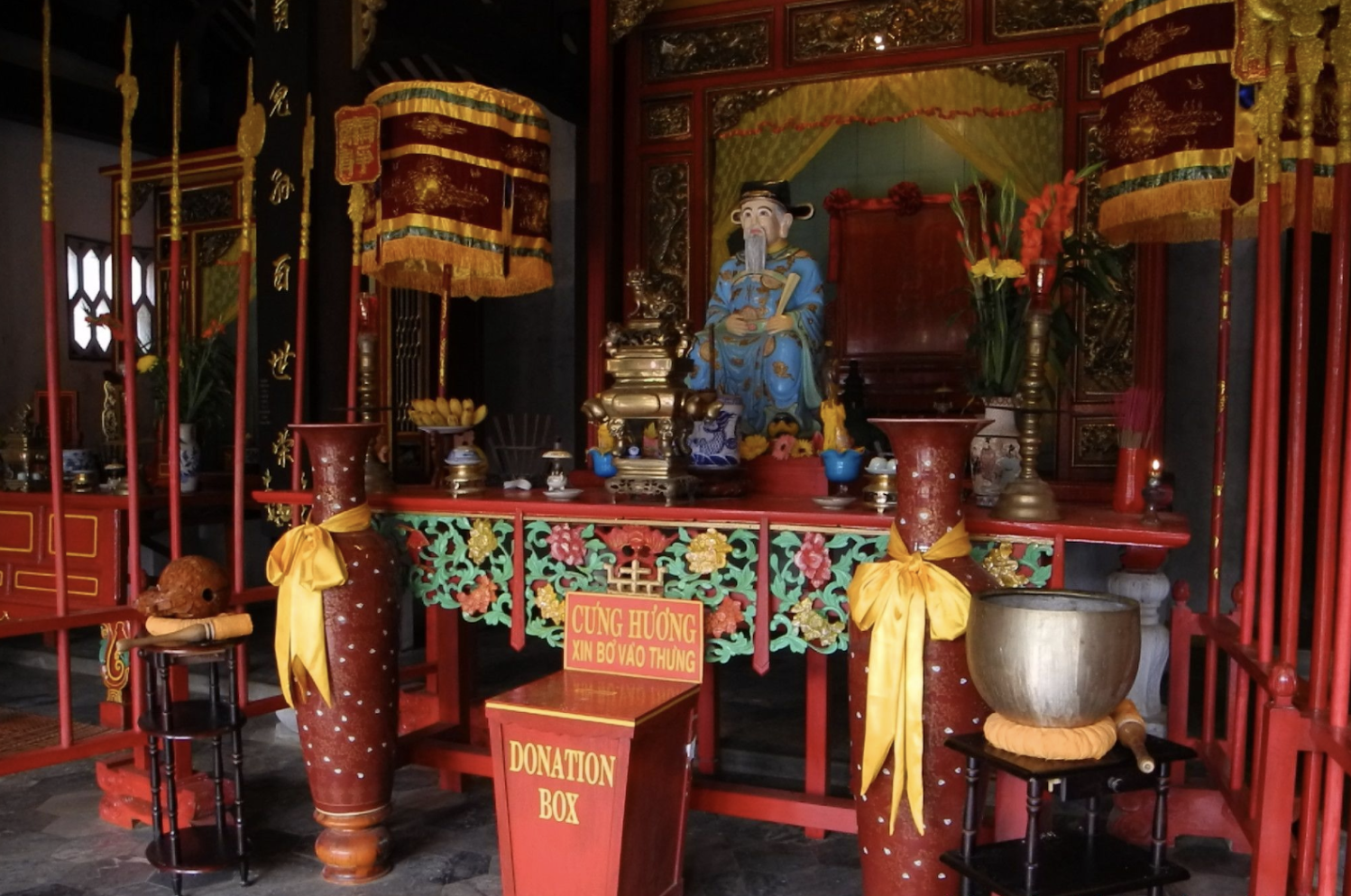
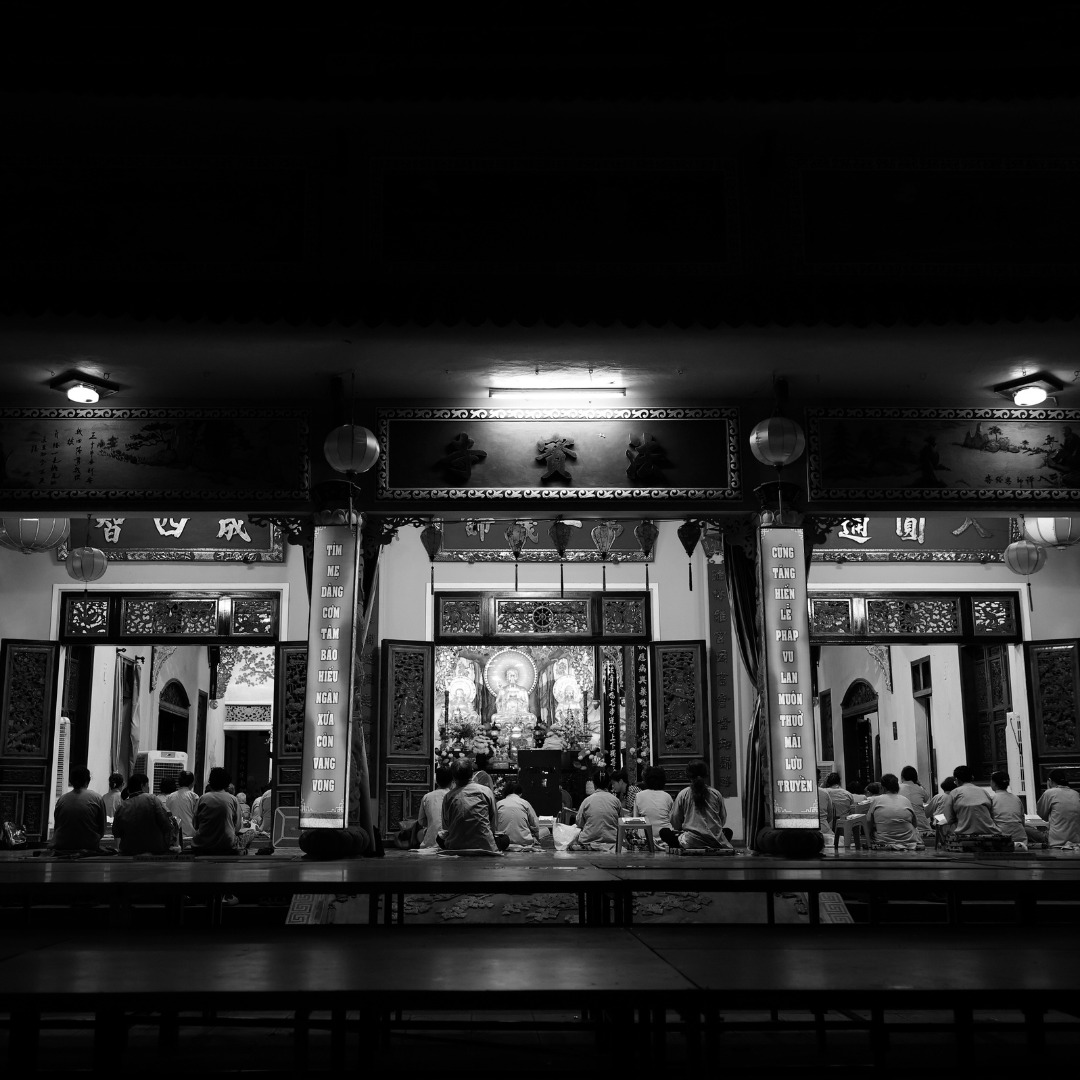
Later, the Japanese community became smaller and gradually lost its importance and influence; the Chinese community kept growing and became dominant. They cooperated with local people to build the small pagoda right next to the bridge. It was dedicated to worshiping Bac De Tran Vo – God of health, wealth, and prosperity.
Conclusion
But there’s more to this story. As you stroll through Hoi An’s picturesque streets, let the captivating tale of the Japanese Covered Bridge immerse you in the cultural interplay between Japan and Vietnam. Join our Hoianese Cultural Walking Tour to explore the Japanese Bridge, which stands as a priceless symbol of the enduring connection between nations!